Kratom Alkaloids
UPLC-DAD
High Level
Method Description
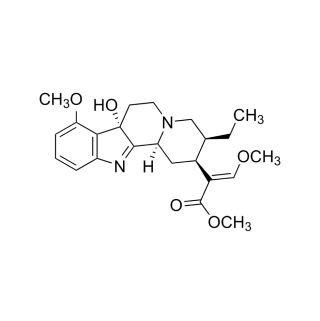
Kratom contains over 40 alkaloids, with mitragynine, paynantheine, speciociliatine, and speciogynine being the most abundant. These alkaloids are monitored because they determine the potency and potential effects of kratom products, which is critical for manufacturers establishing consistent dosing recommendations. The analysis targets the major alkaloids that typically comprise the majority of total alkaloid content and are responsible for kratom's primary pharmacological activity.
Analyte List
5
analytes
| Analyte Name | CAS # | Type |
|---|---|---|
| Mitragynine | 4098-40-2 | Measured |
| Paynantheine | 4673-28-1 | Measured |
| Speciociliatine | 520-15-6 | Measured |
| Speciogynine | 4697-67-0 | Measured |
| Total Major Alkaloids | Total (Sum) |
Technical Data Sheet
Test Name (LIMS/CoA)
Kratom Alkaloids - High Level
Method Name
Determination of Kratom Alkaloid Content by UPLC-DAD
Method Code
ANA-TM-052
Platform Type
UPLC-DAD
Result Type
Quantitative – Panel
Reportable Unit
%, mg/g
Limit of Quantitation
Dynamic Reporting Limit: The reported LOD and LOQ
Acceptable Matrices
Dietary Supplements,
Botanicals (Raw Materials, Extracts, Finished Products),
API (Isolates, Active Ingredients)
*Prices and offerings are subject to change without notice.
Kratom Alkaloids
High Level
qPCR
Test Code
ALKU
Status
Active
TaT
2–5 Business Days
Performing Lab
Cambium Analytica - In-House
Sample Needed
Beverages: 1 unit or 250 mL, whichever is more; All other matrices: 5 grams
Accreditation

ISO 17025
References
Cambium Analytica
Category
Botanical & Phytochemical
Subcategory
Phytochemicals - Quantitative Metabolites
Industries Available
Dietary Supplements
See what Cambium analytica can do for your team
contact us
complete this form to connect with a cambium analytica team member


